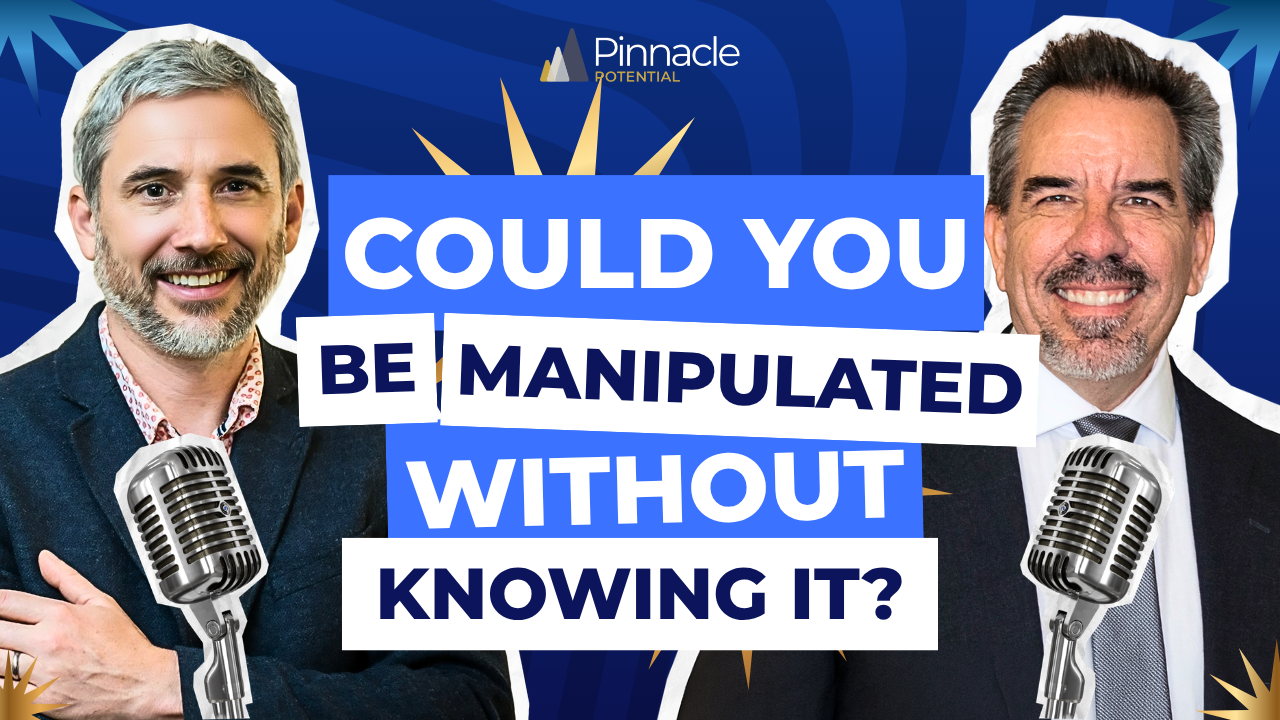
In this episode of The Business of Thinking, Richard Reid speaks with Chris Shelton, a former Scientology member and expert on cults, coercion and destructive control systems.
Chris was raised in Scientology from early childhood. From the outside, his upbringing appeared relatively normal, but behind that was a closed social world where Scientology shaped beliefs, relationships and behaviour. He describes it as a totalist system: not simply something you do once a week, but a framework that influences every part of life.
After leaving school, Chris began working for the Church of Scientology and remained involved for 25 years. During that time, he experienced physical abuse, sleep deprivation, food deprivation and intense psychological pressure. Looking back, he explains that the abuse was often rationalised as necessary or justified by the belief system.
His decision to leave was not a single dramatic moment, but a long process. Over many years, small doubts built into a deeper recognition that something was wrong. One of the major turning points was realising how much he had been encouraged to lie or distort the truth in service of the organisation. Scientology, he explains, promoted the idea of an “acceptable truth”, where people were told something they would accept rather than the full reality.
Richard and Chris explore how cognitive dissonance plays a powerful role in keeping people trapped. When people are faced with conflicting evidence, they often find ways to rationalise it so they can continue to belong. This is especially difficult when someone’s entire social network, identity and sense of purpose are tied to the group.
After leaving, Chris gained access to information he had previously been discouraged from reading. This was another major turning point. As he uncovered more about Scientology’s history, leadership and methods of control, his belief system collapsed. The emotional impact was immense, but he channelled that anger into education, writing, podcasting and helping others understand coercive control.
A key part of the conversation is that cult-like dynamics are not limited to religion. Chris explains that similar patterns can appear in businesses, families, relationships, self-development movements and leadership cultures. Wherever there is unchecked power, emotional manipulation and pressure to comply, coercive dynamics can emerge.
For business leaders, the conversation offers important warning signs. Can people ask questions? Are doubts welcomed or shut down? Are people being rushed into decisions while emotionally charged? Are leaders using fear, urgency, hype or social pressure to override critical thinking?
Chris stresses that anyone can be manipulated. Intelligence, education or status do not make someone immune. In fact, assuming “that would never happen to me” can make people more vulnerable.
His advice is simple but powerful: slow down, ask questions and avoid making major decisions when emotionally overwhelmed. If something still makes sense tomorrow, it will still make sense once the pressure has passed.
Ultimately, this episode is a reminder that critical thinking, emotional awareness and psychological safety are essential, not only for avoiding destructive groups, but for building healthier workplaces and relationships.