In this episode of The Business of Thinking, Richard Reid speaks with Steven Stein, clinical psychologist, author and expert in emotional intelligence. With decades of experience in psychological assessment, leadership development and resilience, Steven brings a fascinating perspective on what helps people perform, lead and make good decisions under pressure.
Steven’s work has taken him into some of the most demanding environments imaginable, including military organisations, intelligence agencies, government departments and elite teams such as Navy SEALs. What may surprise some listeners is that these high-performance environments are often deeply committed to learning, reflection and emotional awareness.
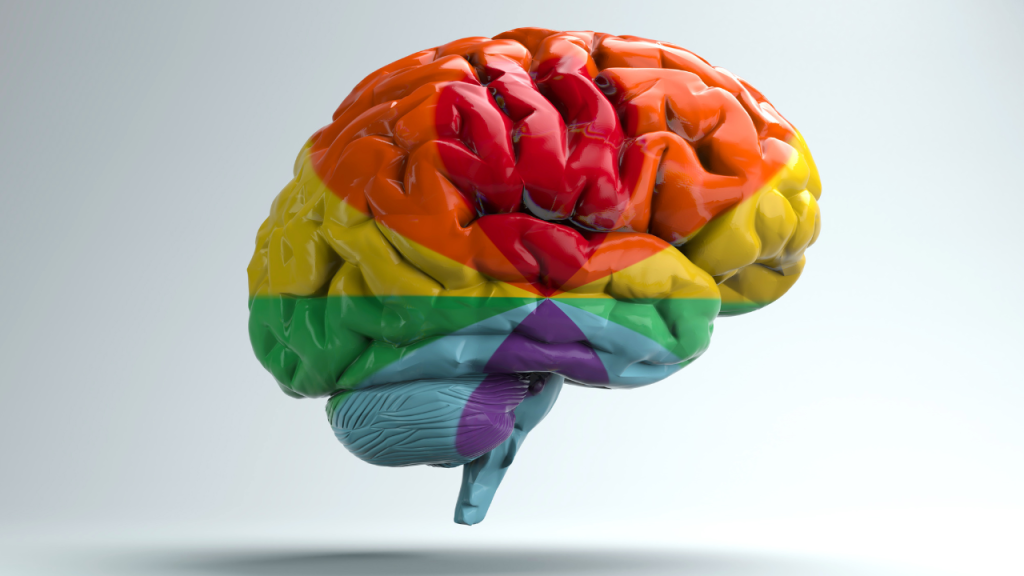
For Steven, emotional intelligence is not about being “soft” or avoiding difficult emotions. It is about three core abilities: recognising emotions, managing emotions and using emotions effectively. This applies both to ourselves and to the people around us. In leadership, business, sport and high-pressure decision-making, emotions are not distractions from performance. They are part of performance.
One of the most useful parts of the conversation is Steven’s discussion of anger. Anger is often seen as a negative emotion, particularly in workplace settings, but Steven explains that anger itself is not the problem. It is a signal. It tells us that something matters, something feels wrong, or something needs to change. The real issue is whether we react impulsively or pause long enough to use that emotion constructively.
This distinction matters in business. When leaders are under pressure, overloaded or moving from one meeting to the next, emotional awareness can quickly disappear. People become reactive. They snap, withdraw, overthink or make rushed decisions. Emotional intelligence helps create a small but powerful pause between feeling and action. That pause gives people the space to choose a better response.
The conversation also explores the importance of instinct. Steven describes instinct as accumulated life experience compressed into a very short moment. In other words, gut feeling can be valuable, particularly for people with a strong track record of good decisions. But it should still be understood and questioned. Emotional intelligence is not about ignoring instinct, nor blindly following it. It is about knowing when to trust it, when to test it and when to slow down.
For busy professionals, Steven offers a very practical reminder: emotional intelligence is closely linked to how we manage our energy and priorities. When people are overloaded, they need to be clear about what matters most. This includes work priorities, but also family, health, exercise, learning and personal commitments. Without that clarity, everything can feel urgent and nothing feels meaningful.
Steven also highlights the importance of small daily wins. At the end of each day, he encourages people to identify something they feel good about. It may be a productive conversation, a task completed, a workout done, or even simply a lesson learned from a difficult day. These small moments of positive emotion matter. They help people end the day with a sense of progress rather than depletion.
Alongside emotional intelligence, Steven introduces the concept of hardiness: a form of resilience built around three key factors. The first is commitment, which means having a sense of purpose or direction. The second is challenge, which is the ability to see difficulties as problems to be solved rather than threats to be feared. The third is control, which means knowing what is within your influence and what is not.
These three factors are particularly relevant for leaders and business owners. A difficult boss, a demanding workload, a market shift or a setback can consume enormous emotional energy. But hardiness helps people step back and ask better questions. What is the bigger goal? What can I learn from this? What can I control? What action is available to me now?
Towards the end of the episode, Steven reflects on the wider world. He notes that society feels more polarised, less self-aware and less emotionally equipped to deal with disagreement. Technology, the pandemic and changing patterns of childhood social interaction have all played a part. As artificial intelligence becomes more embedded in daily life, he argues that emotional intelligence will become even more important, not less.
AI may support tasks, analysis and productivity, but it cannot replace the human ability to lead, connect, sense what people need, build trust or create shared purpose.
The message from this conversation is clear. In a fast-moving and pressured world, success does not come only from intelligence, expertise or technical skill. It comes from knowing yourself, managing your emotions, staying connected to purpose and choosing your response when things become difficult.
That is where emotional intelligence and hardiness become true performance skills.