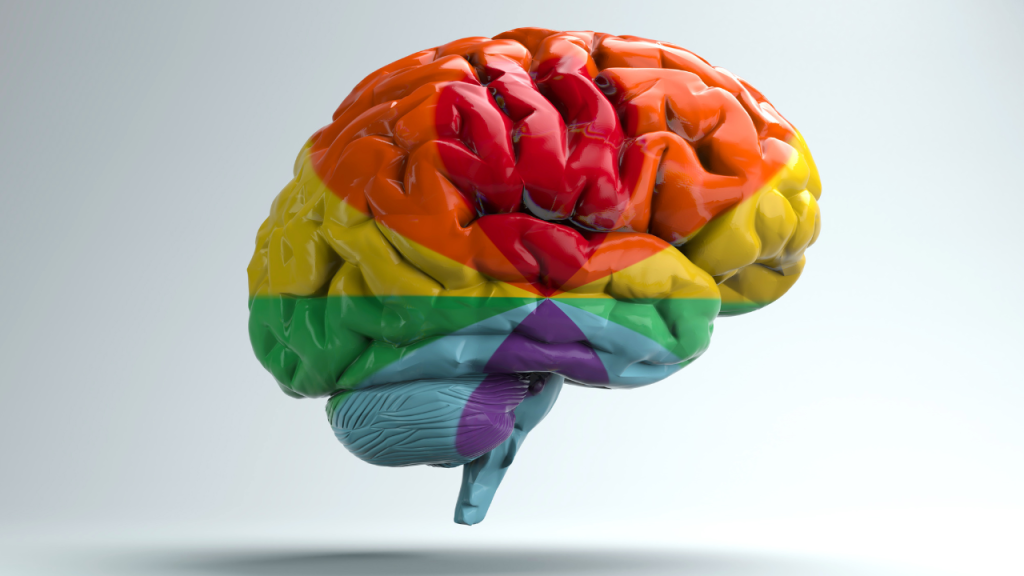
Most leaders want to believe that their decisions are objective.
They examine the information available, consider the options and choose the course of action that appears most likely to deliver the right result.
However, workplace decisions are not made by completely rational, impartial minds. They are made by people whose judgement is shaped by previous experiences, personal beliefs, emotional responses and existing expectations.
One of the most common ways this affects decision-making is confirmation bias.
Confirmation bias is the tendency to seek, interpret and prioritise information that supports what we already believe, while paying less attention to evidence that challenges our expectations.
It does not necessarily mean that a leader is deliberately ignoring the truth. Often, the process is automatic. We notice the evidence that feels familiar, persuasive or consistent with our existing view and find reasons to dismiss information that creates uncertainty.
In the workplace, that can have serious consequences.
What does confirmation bias look like at work?
Confirmation bias can influence almost every area of organisational life, from recruitment and performance management to strategy, workplace culture and conflict.
A manager who believes an employee is unreliable may focus on every missed deadline while overlooking the occasions when the employee delivered exceptional work under difficult circumstances.
A leadership team committed to a particular strategy may interpret positive results as evidence that the strategy is working, while attributing disappointing outcomes to market conditions, poor execution or individual employees.
During recruitment, an interviewer may form an early opinion about a candidate and then unconsciously ask questions that reinforce that first impression. The CIPD has highlighted how biases can distort recruitment decisions, encouraging managers to look beyond instinct and gather a more complete picture of a candidate’s suitability.
Confirmation bias can also affect how organisations respond to employee wellbeing.
When a manager has already decided that someone is “difficult”, “disengaged” or “not resilient enough”, they may interpret future behaviour through that label. Signs of stress, neurodivergence, burnout or poor communication can then be seen as evidence of a negative attitude rather than an indication that the employee may need a different form of support.
Once an assumption becomes established, everything that happens afterwards can appear to confirm it.
The danger of the leadership echo chamber
Confirmation bias becomes particularly damaging when senior leaders are surrounded by people who agree with them.
Employees may avoid challenging an established view because they do not want to appear negative, obstructive or disloyal. They may have learned that disagreement is unwelcome or that decisions have effectively been made before a meeting begins.
Over time, leadership conversations can become exercises in validation rather than genuine discussion.
The question changes from:
“What is the best decision?”
to:
“How can we prove that the decision we prefer is correct?”
This can lead organisations to overlook risks, continue investing in ineffective initiatives and dismiss valuable feedback from employees, customers and other stakeholders.
The CIPD warns that selectively searching for supporting information while neglecting contradictory evidence can cause organisations to miss both risks and opportunities. Evidence-based decision-making requires leaders to consider different forms of evidence rather than relying on personal preference, received wisdom or established ways of working.
Confirmation bias can damage workplace relationships
Bias does not only influence major strategic decisions. It can also shape everyday relationships.
When conflict develops between colleagues, each person naturally begins to notice the actions that support their interpretation of events.
One person may believe a colleague is deliberately undermining them. The colleague may believe the other person is oversensitive or resistant to feedback. Each interaction is then filtered through these assumptions.
A brief email becomes dismissive.
A missed invitation becomes deliberate exclusion.
A challenge in a meeting becomes a personal attack.
The longer this continues, the more difficult it becomes for either person to consider an alternative explanation. People stop responding to what is actually happening and begin responding to what they expect to happen.
This is why unresolved workplace conflict rarely improves simply by asking people to “communicate better”. Effective resolution often requires structured conversations that help individuals separate observable facts from interpretation, understand different perspectives and reconsider the assumptions driving their reactions.
How can leaders reduce confirmation bias?
It is impossible to remove every bias from human decision-making. The goal is to create systems, behaviours and cultures that make bias easier to recognise and challenge.
Leaders can begin by asking better questions:
- What evidence would change my mind?
- Am I giving equal weight to information that contradicts my view?
- What alternative explanations could there be?
- Have I invited perspectives from people who may disagree?
- Am I assessing this situation consistently?
- Am I responding to observed behaviour or to a label I have already applied?
Structured decision-making can also help.
Recruitment scorecards, clearly defined performance criteria, diverse interview panels, recorded decision rationales and regular reviews can reduce the influence of instinctive judgement.
Teams should also be encouraged to challenge ideas without challenging the worth or authority of the person presenting them. Psychological safety allows employees to raise concerns, question assumptions and introduce alternative evidence without fearing embarrassment or punishment.
However, this requires more than telling people they are welcome to speak.
Leaders must demonstrate that disagreement will be heard, considered and treated with respect.
Self-awareness is a leadership capability
The most effective leaders are not those who believe they are free from bias.
They are those who recognise that their judgement can be influenced and are prepared to examine their own thinking.
This requires curiosity, humility and the willingness to be uncomfortable.
Executive coaching can create the confidential space leaders need to explore how their beliefs, emotional responses and past experiences influence their decisions. It can help leaders recognise recurring patterns, consider different interpretations and respond more deliberately when facing pressure, disagreement or uncertainty.
Leadership development and communication training can also equip managers with the skills to listen more effectively, conduct meaningful conversations and create environments in which different perspectives are genuinely valued.
Where confirmation bias has contributed to an established conflict, workplace mediation can help those involved move beyond fixed positions and develop a clearer understanding of the situation.
How Pinnacle Wellbeing can support your organisation
At Pinnacle Wellbeing, we use psychology-backed coaching, training, therapy and consultancy to help organisations strengthen leadership, workplace culture, performance and employee wellbeing.
Our services include:
- CEO and executive coaching
- Leadership development and communication training
- Meaningful conversations workshops
- Workplace mediation and conflict resolution
- Organisational culture and wellbeing support
- Neurodiversity training and coaching
- Workplace therapy and employee wellbeing services
Our executive coaching services help leaders examine their decision-making, strengthen self-awareness and develop leadership approaches that support both performance and wellbeing.
Our communication workshops help leaders adopt a more empathetic, listener-focused approach to workplace conversations, while our organisational support services help businesses develop inclusive cultures in which employees can contribute different perspectives effectively.
Confirmation bias may be a natural part of human thinking, but it does not have to control the way an organisation operates.
When leaders become more aware of their assumptions, invite genuine challenge and create space for different perspectives, they make better decisions and build healthier working relationships.
The question is not whether bias exists in your organisation.
It is whether your culture is strong enough to challenge it.